
Attention: Most venues can tell you last night's sales but not last month's loyalty
Ask a venue owner how last night went and you will get a clear answer: covers, revenue, maybe the best-selling cocktail. Ask how many guests from last month came back this month and the room goes quiet.
That is not a failing of the owner. Point-of-sale systems are built to count sales, not relationships. Bookings show who reserved, not who returned. Social pages show likes, not visits. The most valuable fact in hospitality, whether a guest came back, usually lives only in the memory of a good floor manager.
You do not need a data team to change that. You need three simple numbers and a habit of looking at them once a week.
Interest: The three numbers that matter
When WisePass sets success measures for its Ho Chi Minh City pilot, they are deliberately few and plain. They are the same three a venue can use on its own.
Repeat rate. Of the guests who visited, how many came back? This tells you whether people liked the experience enough to return. A venue with a lively room and a low repeat rate is renting its audience, not building one.
Redemptions per day. How many guests came because of a specific offer? This shows whether an offer is pulling people in, and on which days.
Live venues or live offers. How many of your offers are actually running right now? It sounds trivial, but offers that quietly expire or are forgotten are one of the most common reasons results fade.
Notice what is missing: reach, impressions and followers. Those describe attention. The three numbers above describe behaviour, and behaviour is what pays the rent.

Desire: What changes when you can see them
Once repeat rate is visible, several everyday decisions get easier.
You can tell a successful promotion from a busy night that happened to be busy.
You can compare offers fairly: the one that brought in the most guests is not always the one that brought them back.
You can brief your team with something concrete: "This month we want more of our new guests to return."
You can have a calmer conversation about marketing spend, because it is tied to visits rather than impressions.
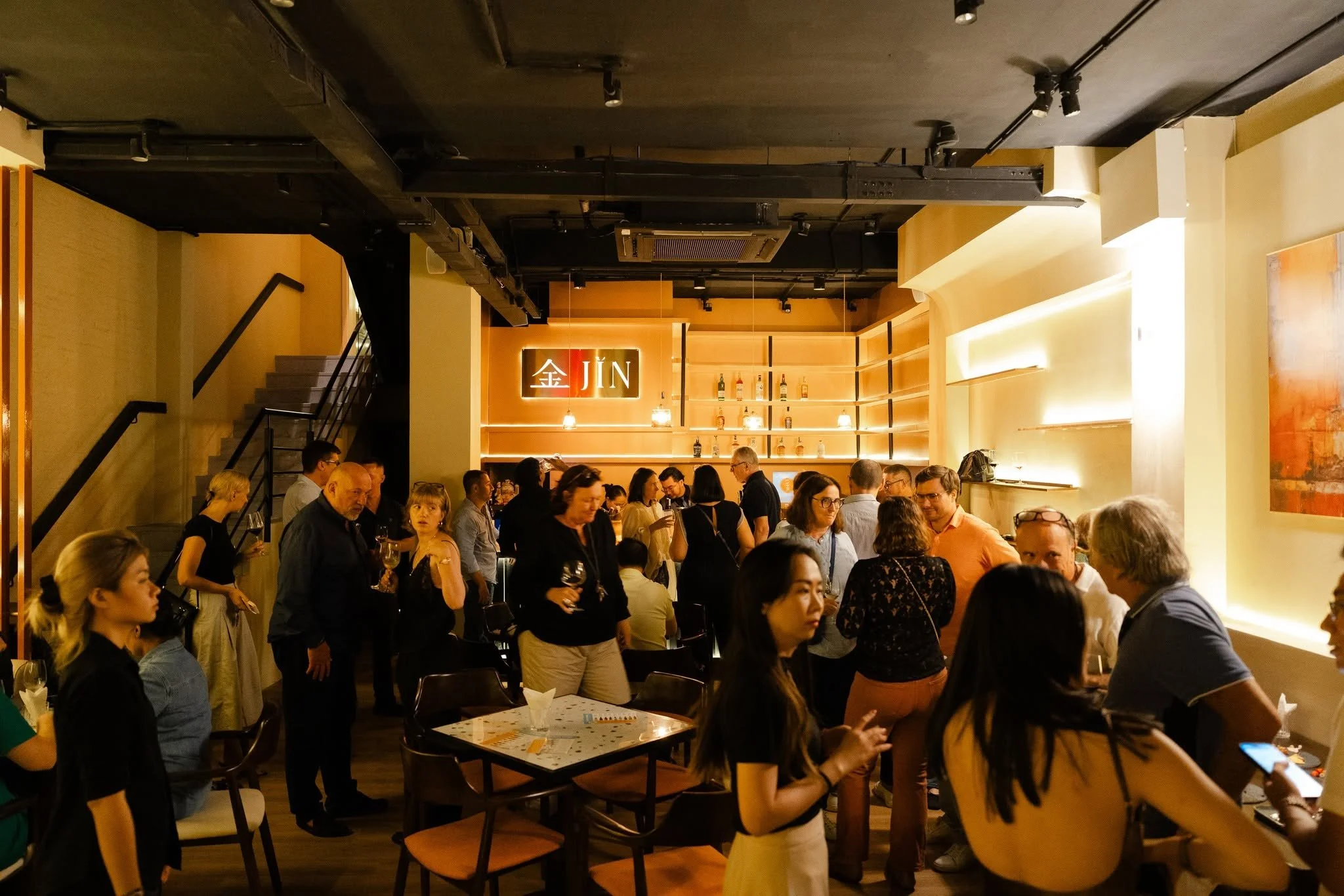
This is the idea behind WisePass. Through the app, a visit is recorded when a member redeems a promotion at a partner venue, and it is marked as a first visit or a repeat visit. WisePass earns when a guest comes and redeems, so it is paid for visits that actually happen, not for views.
One honest note: a simple record is only as good as the habit of reading it. The numbers do not fix anything on their own. They simply make it possible to ask better questions.
A few common mistakes are worth avoiding. The first is measuring too many things. Three numbers you actually read every week are worth more than twenty on a dashboard nobody opens. The second is comparing unlike things: a holiday week against a normal week, or a one-off private event against an ordinary Tuesday. Look for patterns over several weeks before drawing conclusions.
The third is treating a low repeat rate as a verdict rather than a question. If few guests return, the reason might be the offer, the service, the price or simply that the venue attracts tourists. The number tells you where to look; it does not tell you what you will find. Talk to your team and, where you can, to your guests.
The fourth is forgetting to celebrate improvement. When the repeat rate moves in the right direction, tell the team. It connects their daily work, the warm greeting, the quick service, remembering a name, to a result they can see.
Consider a simple example. Two venues each run a Tuesday offer for a month. The first fills its room every week but sees almost nobody twice. The second has fewer guests each week, yet a growing share of them are people who were there before. On the surface the first venue looks more successful. Over a quarter, the second is quietly building a base of regulars who will fill the room without any offer at all. Only a repeat-visit record shows the difference.
That is why the habit matters more than the tool. Whether you keep a notebook, a spreadsheet or the WisePass app, the discipline is the same: count who returned, look at it weekly and make one small change at a time.
It also helps to share the numbers openly with your team. Staff who can see that more guests are returning understand that the little things they do matter, and they are more likely to repeat them.

Action: A ten-minute weekly review
Here is a routine any venue can start this week, with or without WisePass.
Pick a fixed time. Monday morning works well, before the week fills up.
Write down three numbers from last week: how many visits were from returning guests, how many redemptions or offer uses you had, and how many offers were live.
Compare with the week before. You are looking for direction, not perfection.
Choose one change. One offer to adjust, one night to test, one message to your team.
Write it down. A single line in a notebook is enough. Next Monday, check whether it worked.
If you run a bar, restaurant or cafe in Ho Chi Minh City and would like this record built into your daily operations, WisePass is opening its pilot to five to ten venues. Visit wisepass.co and tell us about your venue.
Sales tell you what happened last night. Repeat visits tell you whether you are building something that lasts.