
Attention: The quietest night of the week is your biggest opportunity
Every venue owner in Ho Chi Minh City knows the feeling. Friday and Saturday take care of themselves. Then Tuesday arrives, the music sounds louder than it should, and the team spends more time polishing glasses than pouring drinks.
The usual answer is a blanket discount: everything cheaper, all night, for everyone. It fills a few seats, but it also gives away margin to guests who would have come anyway, and it teaches regulars to wait for the sale. Worse, when the night is over, you still do not know who came for the first time, who was already a regular, and who is likely to return.
A slow night does not need a bigger discount. It needs a better-designed offer, aimed at the right guest, with a way to see whether it worked.
Interest: Different guests need different reasons to come
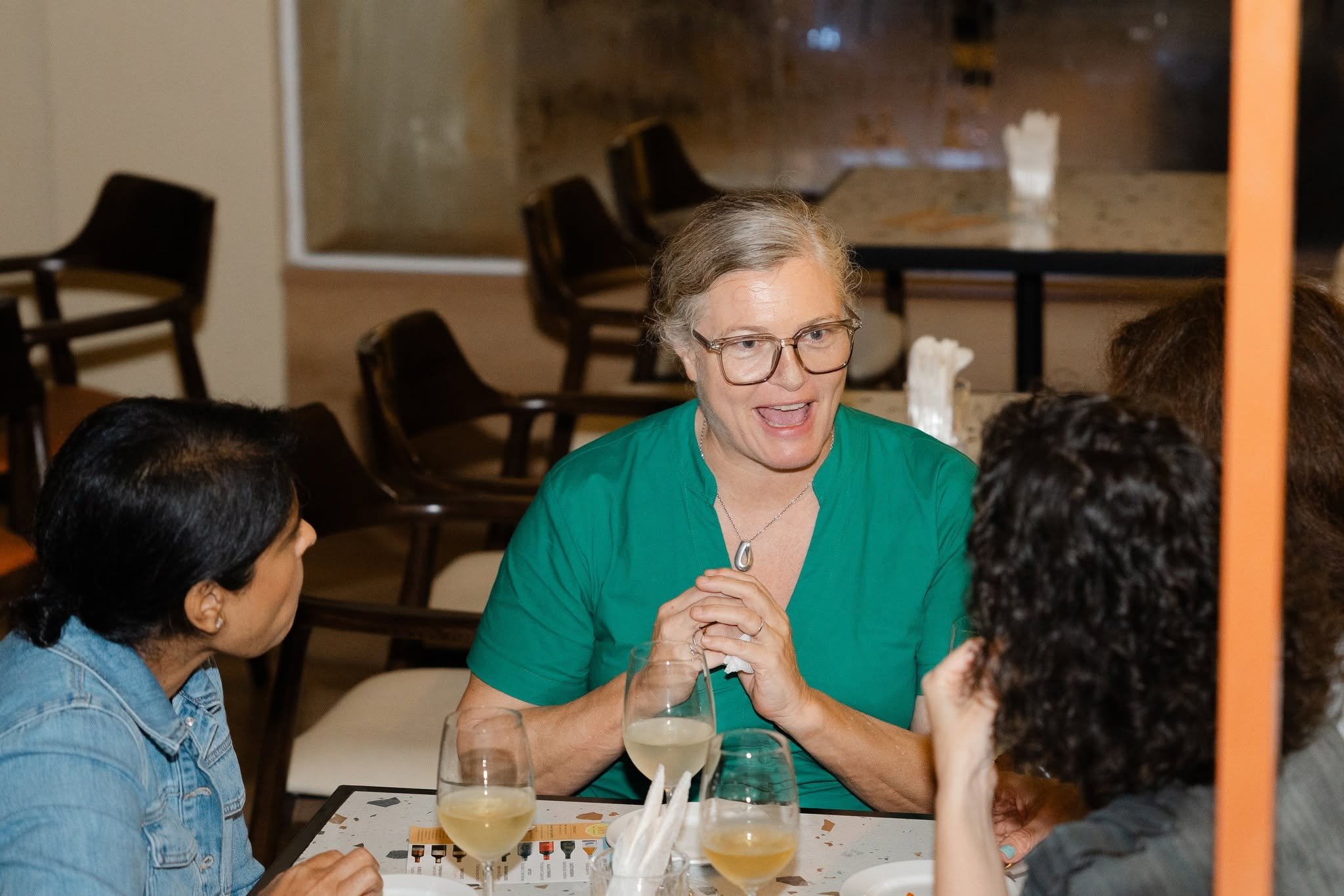
A first-time guest and a regular are asking different questions. The first-timer asks, "Is this place worth trying?" The regular asks, "Why should I come on a Tuesday instead of my usual night?" One flat promotion cannot answer both.
Think of three kinds of offer, each with its own job:
The welcome offer. Aimed at first-time guests. Its job is to lower the risk of trying something new, for example a welcome drink or a starter on the house.
The quiet-night offer. Aimed at people who already know you. Its job is to move a visit from a busy night to a quiet one, for example a set pairing available only on Tuesday and Wednesday.
The return reward. Aimed at guests who have visited before. Its job is to make the next visit feel recognised, for example a small perk on the third visit.
Most venues run only the first kind, because it is the easiest to explain. Yet the second and third are where repeat business is built.
Desire: Know which offer worked, not just that the room was full
The hard part is not designing the offers. It is knowing afterwards which ones paid off. A full room on Tuesday could mean the offer worked, or it could mean a large group happened to book. Without a record of who came and whether they had visited before, it is guesswork.
This is the gap WisePass is built to close. A WisePass member redeems a promotion at a partner venue through the app, and that visit is recorded as a first visit or a repeat visit. WisePass earns when a member comes to a partner venue and redeems a promotion, so the incentive points in the same direction as yours: more guests who actually show up, and more of them coming back.
In practice, that gives a venue owner a simple weekly picture:
How many redemptions came from the Tuesday offer.
How many of those were first visits and how many were repeat visits.
Whether the same offer is bringing guests back, or only attracting one-time visitors.
With that picture, a bar can keep the offers that bring people back and retire the ones that only fill seats once. The decision stops being a feeling and becomes a comparison.
It helps to think about timing as well as content. A quiet-night offer works best when it feels like an invitation rather than a markdown. A guest who hears "come on Tuesday and we will pour you something special" feels welcome. A guest who sees "everything half price on Tuesday" feels like a bargain hunter, and bargain hunters rarely become regulars.
Keep each offer simple enough to explain in one sentence at the table. If your team cannot describe it quickly, guests will not remember it. And keep the number of live offers small. Three clear offers that staff understand will always beat ten that nobody can recall.
Remember that the goal is not a full room on one Tuesday. The goal is a guest who thinks of you the next time they are choosing where to go. Every offer should be judged by that standard: did it give someone a reason to come back?
There is also a quiet benefit for your team. When staff know the purpose of Tuesday's offer, they can greet guests accordingly: welcoming a first-timer, recognising a returning guest, thanking someone on their third visit. The offer becomes part of the service rather than a sign on the wall. Guests notice that difference, and it is one that no discount can buy.
Before you start, agree who owns the experiment. One person, ideally the manager on duty, should be responsible for checking the numbers each week and reporting back to the team. Without an owner, even good offers drift.
One more tip: write down what you expect to happen. If you predict twenty redemptions and five repeat visits, you will learn far more from the result than if you simply watch and hope. Predictions turn a promotion into an experiment, and experiments are how small venues get better quickly.
Action: Test one offer for four weeks
You do not need to redesign your menu. Start with a single, simple experiment.
Pick your quietest night. Choose the one night you most want to fill, not the whole week.
Write one offer for one kind of guest. For example, a quiet-night pairing for people who already know you, rather than a discount for everyone.
Decide what success looks like before you start. For example, a number of redemptions on that night and how many of them are repeat visits.
Run it for four weeks. Long enough to see a pattern, short enough to change course.
Keep, change or drop. If guests return, keep it. If they come once and disappear, rework the offer.
WisePass is starting in Ho Chi Minh City with a pilot of five to ten venues, and early partners help shape the offers and see their own results first. If you would like to test a quiet-night offer with us, visit wisepass.co and tell us about your venue.
A slow Tuesday is not a problem to be discounted away. It is a night you can design for.