
Why It’s Hard To Drive Repeat Customers in F&B?
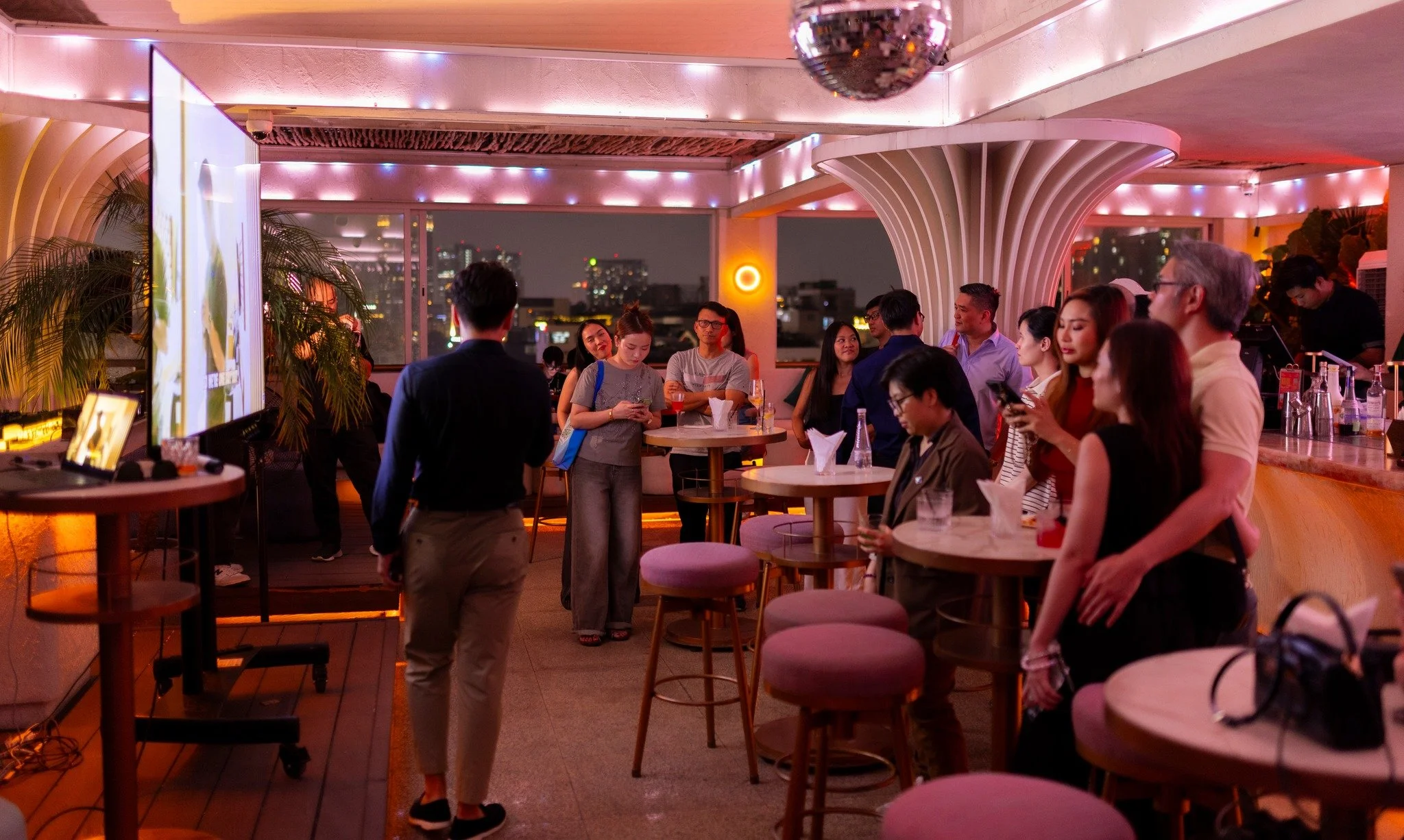
For food and beverage (F&B) businesses, success is often measured in full tables, long queues, and buzzing atmospheres. But behind the scenes, one of the hardest problems to solve is far less visible: how to consistently turn first-time visitors into loyal, repeat customers.Most restaurant owners intuitively understand that repeat customers are the lifeblood of their business. Regulars spend more over time, are easier to serve, bring friends, and provide a buffer against seasonal fluctuations. Yet despite this importance, driving repeat visits remains a tedious, fragmented, and often frustrating challenge across the F&B industry.We will explore why driving repeat customers in F&B is such a difficult problem, how traditional approaches fall short, and why Wisepass exists—to make loyalty simple, measurable, and genuinely valuable for both businesses and customers.Part 1: Why Repeat Customers Matter More Than Ever in F&B
The F&B industry operates on thin margins. Rising ingredient costs, higher rents, staff shortages, and fierce competition mean that acquiring new customers has never been more expensive. In this environment, retention isn’t just a growth lever—it’s a survival strategy.Studies consistently show that returning customers spend more per visit and are more likely to try new menu items. They require less marketing spend, trust the brand, and are more forgiving when mistakes happen. For cafés, bars, and restaurants, even a small increase in repeat visits can have an outsized impact on revenue.Yet consumer behavior has changed. Diners are more experimental, more price-sensitive, and constantly exposed to new venues through social media and delivery platforms. Loyalty is no longer assumed; it must be earned repeatedly.This creates a paradox for F&B operators. They know retention is critical, but the tools available to drive it often feel disconnected from daily operations. The result is a constant focus on attracting new customers while quietly leaking existing ones.Part 2: The Traditional Loyalty Playbook—and Why It Fails
For decades, loyalty in F&B has followed a familiar pattern: stamp cards, punch cards, points systems, and generic discounts. While these tools are easy to understand, they rarely deliver meaningful long-term results.Physical stamp cards get lost, forgotten, or abused. Points systems are often confusing and slow to reward customers, reducing motivation to engage. Discounts train customers to wait for promotions rather than build genuine loyalty.On the business side, these systems offer little insight. Owners may know how many cards were redeemed, but they don’t understand who their customers are, how often they return, or what drives their behavior. Loyalty becomes a cost center rather than a strategic asset.Digital loyalty apps promised improvement, but many introduced new problems. Customers are asked to download yet another app, create an account, and remember login details. Staff are expected to explain and manage systems during busy service hours. Adoption drops quickly, and the system quietly fades into irrelevance.In short, traditional loyalty tools fail because they add friction—for both customers and businesses—without delivering proportional value.
Part 3: The Hidden Operational Pain of Driving Repeat Visits
One reason repeat-customer strategies struggle in F&B is that they compete with operational reality. Restaurants are fast-paced, chaotic environments. Staff turnover is high. Time is scarce. Anything that slows down service or complicates workflows is quickly abandoned.Owners often juggle multiple disconnected tools: POS systems, reservation platforms, delivery apps, marketing software, and loyalty programs. These systems rarely talk to each other, creating data silos and manual work.Even when data exists, it’s rarely actionable. Knowing that 30% of customers returned last month doesn’t explain why others didn’t. Without clear insights, operators are left guessing—running promotions, changing menus, or offering discounts without understanding their true impact.This complexity turns retention into a tedious problem. It’s not that F&B operators don’t care about loyalty; it’s that the effort required to manage it often outweighs the perceived benefit.Part 4: What Customers Actually Want From Loyalty
From the customer’s perspective, loyalty programs often feel transactional and uninspiring. Points and discounts are everywhere, from supermarkets to airlines to coffee chains. As a result, they no longer stand out.What customers value more is recognition, simplicity, and relevance. They want to feel known, rewarded without effort, and appreciated for their continued support.In F&B, the best loyalty experiences are often informal: a bartender remembering a regular’s drink, a café owner offering a free coffee unexpectedly, or a restaurant prioritizing familiar faces during peak hours. These moments build emotional loyalty—but they don’t scale easily.Technology should amplify these human touches, not replace them. The challenge is designing systems that reward loyalty automatically, without asking customers to change their behavior or staff to perform extra steps.Part 5: How Wisepass Is Rethinking Repeat Customers in F&B
WisePass was built to tackle the real reasons loyalty fails in F&B: friction, fragmentation, and lack of insight.Instead of asking customers to download apps or collect points manually, WisePass focuses on seamless identification and effortless rewards. Loyalty happens in the background, integrated into existing workflows, so staff can focus on service and customers can focus on enjoying their experience.For businesses, WisePass turns repeat visits into something measurable and actionable. Operators gain visibility into who their returning customers are, how often they come back, and what incentives actually work. Loyalty becomes a strategic tool rather than a guessing game.Most importantly, WisePass is designed for the realities of F&B. It respects the pace of service, the limitations of staff time, and the importance of human connection. By reducing operational burden and increasing clarity, Wisepass helps businesses build genuine, sustainable repeat customer relationships.Final takeDriving repeat customers in F&B isn’t hard because the concept is complicated; it’s hard because the environment is. High pressure, low margins, fragmented tools, and changing consumer behavior make loyalty a tedious problem to solve.WisePass exists to remove that tedium. By simplifying loyalty, integrating seamlessly into operations, and focusing on real customer behavior, Wisepass is helping F&B businesses turn everyday visits into lasting relationships.In an industry where every return visit counts, solving repeat customers isn’t just a feature; it’s the future.